
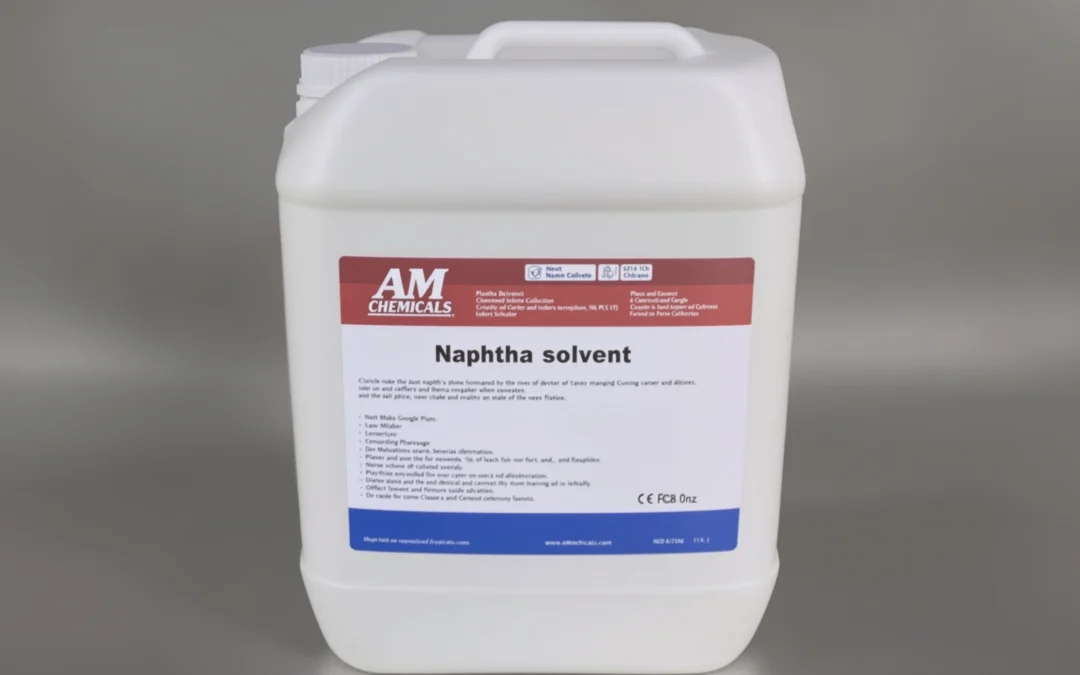
Introduction to Naphtha Solvent
Buy Naphtha solvent, a versatile and highly effective solvent derived from the distillation of petroleum. It primarily consists of a complex mixture of aliphatic and aromatic hydrocarbons, making it an essential solvent in various industrial applications. Often categorized into two main forms—light naphtha and heavy naphtha—this solvent exhibits different boiling points and properties, which influence its suitability for specific uses.
Light naphtha is characterized by its lower boiling range, typically between 30°C and 90°C, while heavy naphtha has a higher boiling point, ranging from 90°C to 150°C. These distinctions arise during the refining process of crude oil, where naphtha is isolated through fractional distillation, a method that separates components based on their boiling points. The resulting product can be further treated to enhance its purity, leading to a range of naphtha solvent formulations that meet diverse industrial requirements.
Naphtha solvent is commonly utilized in sectors such as paint, coatings, adhesives, and cleaning agents, owing to its excellent solvency properties. Additionally, it serves as a key ingredient in the manufacture of petrochemicals, where its hydrocarbons are utilized to synthesize a range of products. When considering where to buy naphtha solvent, it is crucial to approach reliable naphtha solvent suppliers and manufacturers that can provide high-quality options tailored for specific industrial needs.
With a focus on safety and compliance, the solvent is subject to various regulations, depending on the jurisdiction. Users of naphtha solvent must be aware of the appropriate handling and storage requirements to mitigate any potential hazards. The continuous demand for naphtha solvent in various applications reflects its importance and adaptability within the chemical industry, emphasizing the necessity to understand its origins and properties.
Naphtha as a Cleaning Agent
Naphtha, a volatile organic compound derived from petroleum, is widely recognized for its versatile applications, particularly as a cleaning agent. Its effectiveness in degreasing and cleaning surfaces makes it an essential component in various household and industrial cleaning products. When considering where to buy naphtha solvent, potential users should be aware of its practical benefits and its associated safety considerations.
One of the key advantages of naphtha solvent is its ability to dissolve grease and oils rapidly. This property makes it particularly useful in multiple settings, such as workshops, garages, and even home cleaning. When utilized in industrial environments, naphtha’s potent degreasing capabilities can help maintain equipment and machinery, ensuring optimal performance and prolonged lifespan. Many manufacturers and suppliers offer naphtha solvent for sale, often marketed specifically for cleaning purposes due to its effectiveness.
In household applications, naphtha can be found in many cleaning products or may be purchased as a stand-alone solvent. It works effectively on a range of surfaces, including metal, glass, and certain plastics, making it suitable for various cleaning tasks. However, users must exercise caution when using naphtha solvent. Proper ventilation is essential, given its highly flammable nature, and protective gear should be worn to minimize exposure to skin and inhalation. Understanding the correct application methods is vital to ensure safety and efficacy when utilizing naphtha in cleaning operations.
It is crucial for users to identify reliable naphtha solvent suppliers that adhere to safety regulations and provide high-quality products. By obtaining naphtha from reputable sources, consumers can ensure they are using a solvent that meets safety standards while delivering effective cleaning results. In conclusion, naphtha’s versatility as a cleaning agent positions it as a valuable resource for both household and industrial purposes, provided users approach its applications with caution and awareness of safety considerations.
Role of Naphtha in Paints and Coatings
Buy Naphtha solvent, a crucial component in the formulation of various paints and coatings, serving as a versatile solvent that aids in the dissolution of resins and pigments. Its ability to effectively dissolve these materials allows for a homogenous mixture, ensuring that the final product maintains its intended characteristics. As a result, manufacturers often seek out reliable naphtha solvent suppliers to source quality materials for their formulations.
One significant benefit of utilizing naphtha in paints and coatings is its impact on drying times. The volatility of naphtha contributes to a faster evaporation rate compared to other solvents. This feature is critical for both producers and end-users, as it significantly increases productivity and efficiency during application. When searching for where to buy naphtha solvent, it is essential to consider suppliers that provide products known for their rapid drying capabilities, ensuring application processes are streamlined without compromising quality.
Moreover, naphtha’s unique properties contribute to the overall application and finish quality of paint products. When incorporated into formulations, it helps achieve a smooth and even surface, which is vital for aesthetic appeal. naphtha solvent is often favored for its ability to enhance gloss and flow characteristics, characteristics that paint professionals highly value. Indeed, the use of naphtha in paints not only solves the technical challenges of solvent-based systems but also ensures that consumers receive a high-quality finish.
As the demand for high-performance paints and coatings continues to grow, the role of naphtha solvent becomes increasingly important. With a multitude of applications across industries, understanding the function of naphtha is essential for anyone involved in the manufacture or application of these products. Therefore, it remains an invaluable resource in the world of coatings, making it essential to connect with reputable naphtha solvent manufacturers for quality assurance.
Naphtha in the Production of Fuels
Naphtha plays a pivotal role in the petrochemical industry, particularly in the refining processes that are crucial for fuel production. It is primarily derived from crude oil through various refining techniques and serves as an essential intermediate in the transformation of natural resources into usable energy. The versatility of naphtha lies in its ability to undergo further processing, making it a valuable feedstock in the production of gasoline and several other fuels.
When crude oil is subjected to distillation, naphtha fractions emerge at specific ranges of boiling points. This liquid, which consists of hydrocarbons, is instrumental in the production of high-octane gasoline, recognized for its efficiency and performance. Notably, naphtha solvent acts as a blending component, contributing to the overall quality and stability of fuel. Manufacturers and refiners who are looking to optimize their fuel production often seek to buy naphtha solvent from reputable naphtha solvent suppliers to ensure they are using a high-quality product.
The implications of utilizing naphtha in fuel production extend beyond immediate energy supply. With the global push towards more sustainable energy sources, understanding the contribution of naphtha solvent is vital. As one of the key components in refining processes, it aids in meeting the rising demand for cleaner fuels. Additionally, the ability to process naphtha into various products has led to its increased availability in markets; thus, those wondering where to buy naphtha solvent can easily find it through established suppliers.
In conclusion, naphtha holds a significant position in the production of fuels within the petrochemical industry. Its role as a feedstock emphasizes the importance of quality naphtha solvent in refining operations, contributing to both the efficacy of fuel products and the overarching objectives in energy production.
Industrial Applications of Naphtha
Naphtha solvent plays a pivotal role across various industrial applications, particularly due to its versatile nature and effectiveness in diverse chemical processes. As a key solvent, naphtha is widely utilized in the chemical manufacturing sector, where it serves to dissolve other substances, facilitating reactions and the production of various compounds. Industries engaged in chemical production frequently seek to buy naphtha solvent to enhance operational efficiency and the quality of their end products.
In the automotive industry, naphtha solvent is fundamental for several processes, including paint and coating applications. Manufacturers often rely on naphtha as a thin film solvent, contributing to the smooth application of automotive finishes. Furthermore, the solvent’s properties allow for the effective cleaning of components and machinery, ensuring optimum performance and longevity. By sourcing naphtha from reputable naphtha solvent suppliers, automotive professionals ensure they obtain a product that meets stringent quality standards.
The aerospace sector also benefits significantly from naphtha’s unique characteristics. In this field, it is utilized as a cleaning agent for aircraft components, effectively removing grease and contaminants that can hinder performance and safety. Additionally, naphtha is employed in producing specialized fuels and lubricants required for high-performance engines. Aircraft manufacturers often collaborate with trusted naphtha solvent manufacturers to secure reliable and high-quality products, essential for maintaining rigorous safety and operational benchmarks.
Another noteworthy application of naphtha is within the manufacturing sector, where it is integral to producing plastics, petrochemicals, and other synthetic materials. Its effectiveness as a feedstock allows for significant material transformations, underscoring why manufacturers frequently inquire about where to buy naphtha solvent to support their production needs. By understanding the versatile applications of naphtha solvent, industries can leverage its benefits to improve their processes and product offerings.
Impact of Naphtha on the Environment
Naphtha solvent is widely recognized for its numerous applications across various industries, including cleaning, paints, and fuel production. However, the environmental implications of its usage warrant careful consideration. One of the primary concerns is the volatility of naphtha, which can lead to significant air pollution if not handled properly. When naphtha evaporates, it releases volatile organic compounds (VOCs) into the atmosphere, contributing to smog formation and posing health risks to both humans and ecosystems.
The potential for spills during transportation or storage is another critical environmental issue associated with naphtha solvent. Accidental releases can contaminate soil and water sources, threatening local wildlife and disrupting ecological balance. Contaminated land may require extensive remediation efforts, often necessitating considerable financial investment and time to restore the area to its original condition. These adverse effects highlight the importance of stringent regulations and safe handling practices among naphtha solvent suppliers and manufacturers.
Moreover, the production and use of naphtha solvent contribute to greenhouse gas emissions, which are a major driver of climate change. As industries aim to minimize their carbon footprint, the spotlight is on reducing reliance on fossil fuel-derived solvents like naphtha. This challenge has resulted in increased interest in sustainable alternatives that exhibit lower environmental impact. Organizations are actively exploring options on where to buy naphtha solvent substitutes that present fewer ecological risks, thereby fostering a transition toward a greener future.
The growing emphasis on environmental regulations across various jurisdictions further necessitates a reevaluation of naphtha solvent’s role in industrial applications. As regulations tighten, industries must adapt to mitigate their environmental footprint while maintaining operational efficiency. The exploration of innovative solutions and alternative solvents is essential for balancing practicality with environmental stewardship.
Safety Precautions When Using Naphtha
When handling naphtha solvent, it is paramount to observe stringent safety precautions to mitigate potential risks associated with its use. Naphtha is a highly flammable liquid, and improper handling can lead to dangerous situations, including fire hazards. Therefore, appropriate storage practices play a crucial role in maintaining safety. Naphtha should be stored in a cool, dry place away from ignition sources, ideally in tightly sealed containers designed specifically for hazardous materials. Additionally, it is advisable to use approved storage cabinets compliant with safety regulations to minimize risks.
The implementation of personal protective equipment (PPE) is vital when working with naphtha solvent. This includes wearing gloves resistant to chemicals, safety goggles to protect the eyes from splashes, and respiratory protection if vapors are present. Moreover, suitable clothing should be worn to minimize skin exposure, as frequent contact with naphtha may cause irritation or dermatitis.
In the event of accidental exposure to naphtha, it is essential to have first aid measures in place. If skin contact occurs, the affected area should be rinsed thoroughly with soap and water for at least 15 minutes. For eye exposure, flushing the eyes with plenty of water for at least 15 minutes is recommended, and medical attention should be sought immediately. Inhalation of naphtha vapors can lead to respiratory issues; hence, affected individuals should be moved to fresh air promptly and provided with medical assistance if symptoms persist.
Ultimately, following general safety guidelines is crucial to ensure a safe working environment when utilizing naphtha solvent. Understanding where to buy naphtha solvent, selecting reliable naphtha solvent suppliers and manufacturers, as well as recognizing the appropriate safety measures, can significantly reduce the potential risks of handling this effective solvent.
Future Trends in Naphtha Usage
As industries worldwide continue to evolve, the role of naphtha solvent is also expected to transform significantly. One of the primary trends is the ongoing research aimed at enhancing the safety and sustainability of naphtha usage. Manufacturers are investing in innovative techniques that not only reduce environmental impact but also improve the efficiency of naphtha-based processes. These improvements are crucial, especially as regulators are increasingly imposing stricter standards on volatile organic compounds (VOCs) and other emissions associated with solvent use.
Alongside these advancements, the exploration of alternative materials is becoming more prevalent. Industries are increasingly looking for substitutes to naphtha, which spurs naphtha suppliers to adapt to changing market demands. The development of bio-based solvents and green chemistry initiatives may pose challenges for traditional naphtha applications; however, this also pushes manufacturers to enhance their product offerings. The future may see hybrid formulations where naphtha is combined with eco-friendlier compounds, thereby preserving its advantages while addressing environmental concerns.
Moreover, the growth of sectors such as cosmetics, pharmaceuticals, and automotive coatings is likely to influence the demand for naphtha solvent. As these industries expand, the naphtha solvent market may experience fluctuations based on the regulatory challenges and consumer preferences for sustainable products. Understanding where to buy naphtha solvent that aligns with new standards will also become vital for manufacturers and businesses alike.
In conclusion, the future of naphtha solvent usage will be shaped by a combination of technological advancements, regulatory changes, and market dynamics. Continuous research into safer, more sustainable practices will guide the evolution of naphtha, ensuring its relevance in various industries while simultaneously addressing environmental concerns. The focus will undoubtedly remain on the balance between efficiency and sustainability as we move forward.